
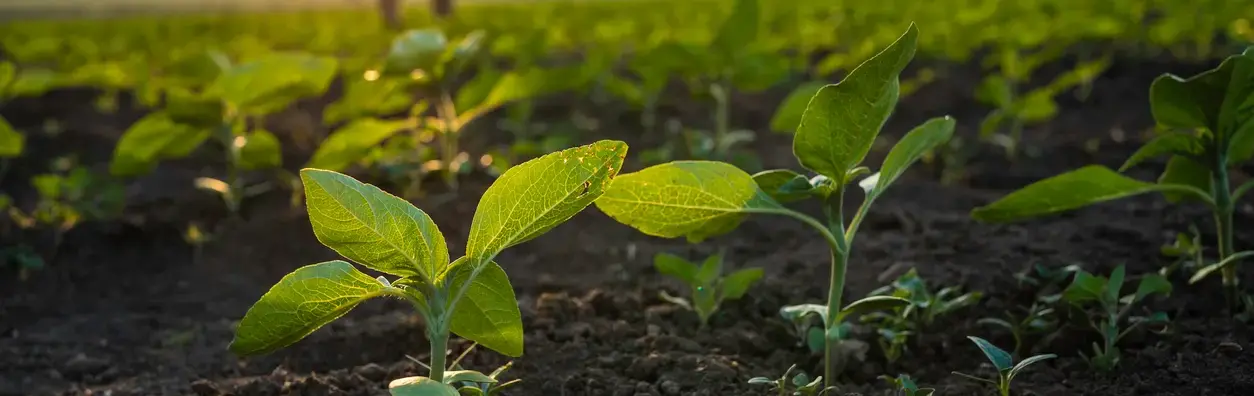
Challenge of Agriculture
[ag-ri-cul-ture]
the traditional definition of agriculture is being challenged by a convergence of environmental, technological, and economic forces, requiring a shift toward more holistic, sustainable systems.
Challenges in Sustainable Agriculture Today
Sustainable agriculture refers to farming practices that meet current food needs without compromising the ability of future generations to meet their own needs. It seeks to balance economic profitability, environmental health, and social equity. While the principles of sustainable agriculture are widely supported and necessary to ensure food security and environmental preservation, its implementation faces numerous challenges in today’s world. The following topics highlight the key obstacles to sustainable agriculture today and their potential solutions.
1. Climate Change and Environmental Stress
One of the most pressing challenges to sustainable agriculture is climate change. Shifting weather patterns, unpredictable rainfall, extreme temperatures, and more frequent natural disasters have significant implications for farming practices. For example:
-
Water Scarcity: Many regions depend on predictable rainfall and adequate water resources for irrigation. As climate change accelerates, water availability becomes less reliable, especially in arid and semi-arid regions, making water management a critical issue.
-
Soil Degradation: Rising temperatures and changing precipitation patterns can accelerate soil erosion, desertification, and loss of soil fertility. This diminishes the productivity of agricultural lands and complicates efforts to maintain sustainable farming systems.
-
Biodiversity Loss: As ecosystems shift due to climate change, many species that are critical for pollination, pest control, and soil health face endangerment. This reduces the natural ecosystem services essential to agriculture.
Impact:
The unpredictable nature of climate change forces farmers to adapt quickly, which can be financially burdensome. Furthermore, the destruction of natural habitats and biodiversity makes it harder for agriculture to function sustainably in the long term.
2. Economic Viability and Profitability
Sustainable agricultural practices often require significant upfront investment in terms of time, capital, and resources. While these practices tend to offer long-term benefits, many farmers, particularly smallholders, struggle to make the transition from conventional to sustainable farming systems. Some economic challenges include:
-
Initial Investment Costs: Organic farming, agroforestry, and other sustainable practices often require more expensive inputs such as organic seeds, specialized equipment, and higher labor costs. This creates a financial barrier for farmers who are already operating on thin margins.
-
Access to Markets: Sustainable products, while increasingly in demand, may still face challenges in reaching global markets due to limited access, lack of certification, and higher costs compared to conventionally produced goods. This makes it harder for small-scale farmers to gain a competitive edge.
-
Subsidies and Policy Support: In many countries, agricultural policies and subsidies still favor large-scale conventional farming practices, which are often more resource-intensive and environmentally harmful. This lack of policy support for sustainable agriculture makes it difficult for farmers to transition to eco-friendly practices.
Impact:
Without economic incentives or financial support, many farmers are reluctant to invest in sustainable practices, especially when they face immediate financial pressures or risks.
3. Technological Barriers and Knowledge Gaps
The adoption of new technologies and techniques that promote sustainable agriculture can be hindered by various factors, including:
-
Lack of Access to Technology: While technological innovations like precision farming, drought-resistant crops, and renewable energy systems are becoming more widely available, many smallholder farmers lack the capital and infrastructure to implement these technologies.
-
Knowledge Gaps: Farmers may not be fully aware of the best practices for sustainable farming, or they may not have access to the training and education needed to adopt more efficient, eco-friendly practices. Extension services, which provide agricultural training to farmers, are often underfunded or inadequate.
-
Cultural and Behavioral Barriers: In some regions, traditional farming methods may be deeply ingrained, making it difficult to encourage change. The lack of immediate benefits from sustainable practices can also discourage farmers from adopting new methods.
Impact:
Inadequate access to the latest sustainable farming tools and a lack of education about their potential benefits slows the transition to more sustainable practices. Farmers may also face resistance from local communities that are accustomed to conventional methods.
4. Political and Institutional Challenges
The political environment can be a major obstacle to sustainable agriculture. Key issues include:
-
Weak Governance and Policy Support: In many regions, government policies do not prioritize sustainability in agriculture. Poor regulation, lack of enforcement of environmental standards, and insufficient support for sustainable farming practices hinder progress.
-
Land Ownership and Access: Land tenure issues, such as insecure land rights, particularly for smallholder and indigenous farmers, can undermine long-term investments in sustainable practices. Insecure land tenure reduces the incentive for farmers to invest in the long-term health of the land.
-
Global Trade Policies: Trade policies that favor monoculture crops, intensive farming practices, and cheap imports often undermine local, sustainable farming efforts. This can lead to the dominance of conventional farming over more sustainable alternatives.
Impact:
Without strong political will and clear policies that incentivize sustainable farming, farmers may not feel supported or encouraged to shift to more eco-friendly practices. Insecure land rights and trade policies that favor large-scale, conventional farming exacerbate these challenges.
5. Social and Cultural Factors
Sustainable agriculture is not just about environmental and economic factors—it is also deeply tied to social and cultural contexts. Challenges include:
-
Access to Labor: Sustainable farming practices often require more manual labor and attention to detail. In many regions, rural areas are experiencing significant outmigration, as younger generations move to urban centers in search of better opportunities. This leads to labor shortages in agriculture, making it harder to implement sustainable practices.
-
Cultural Resistance: In some communities, there is a strong cultural attachment to traditional farming methods, and the adoption of new, sustainable practices may be viewed with skepticism. This resistance can delay the transition to more sustainable agricultural systems.
-
Equity Issues: Women, smallholder farmers, and indigenous communities often face discrimination in terms of access to resources, land, technology, and education. Addressing these inequalities is crucial for promoting widespread adoption of sustainable agriculture.
Impact:
Social and cultural factors can slow down the acceptance and adoption of sustainable farming methods, especially when communities are resistant to change or when systemic inequalities persist.
Conclusion and Path Forward
The transition to sustainable agriculture is critical for ensuring food security, preserving ecosystems, and supporting rural communities. However, the challenges outlined in this report highlight the need for coordinated action across multiple sectors.
To overcome these challenges, several steps are needed:
-
Policy Reform: Governments should incentivize sustainable farming through subsidies, tax breaks, and financial support for farmers making the transition to eco-friendly practices.
-
Education and Training: Expanding agricultural extension services and providing farmers with the knowledge and skills to implement sustainable practices can bridge the knowledge gap.
-
Technological Innovation: Increased investment in research and the dissemination of sustainable farming technologies, particularly for smallholder farmers, is essential.
-
Market Access: Creating market structures that reward sustainable products and ensuring that farmers have access to those markets will help drive the adoption of sustainable practices.
-
Social and Cultural Change: Engaging local communities, especially women and marginalized groups, in the conversation about sustainable agriculture and ensuring that their needs are met will be crucial for success.
By addressing these challenges head-on, we can work toward creating a more sustainable, resilient, and equitable agricultural system for the future.